|
Pythium
is a genus of parasitic oomycetes. They
are commonly called water moulds. The
genus Pythium consists of about
200 species and are common pathogens
causing disease in plants and fish.
Pythium insidiosum is the only species
which causes infection in animals.
Pythium
insidiosum, the etiological agent of
pythiosis insidiosii, causes
life-threatening infections in animals.
The disease most commonly infects horses
and dogs, but can also infect cats,
cattle, equines, captive polar bears and
humans.
Pythiosis
has frequently been reported in tropical
and subtropical regions of the world. In
the United States, the disease is more
common in states along the Gulf of
Mexico and East coastal areas, but can
also occur in cooler and dryer areas of
the U.S. as well.
Pythium
insidiosum, like other Pythium spp, need
wet environments to carry out their life
cycle in nature. Pythiosis occurs
primarily in the fall and early winter
after warm summer months, especially
after periods of high precipitation.
Animals exposed to warm, standing water
water are more likely to encounter the
infectious zoospores and may have an
increased risk for the disease; however,
the infection can be acquired after
contacting moist soil and grass.
It is
suspected that the invading zoospores
enter an animal through open wounds,
either in the skin or in the
gastrointestinal tract. Water lilies and
other aquatic plants and submerged
grasses, including rice plants, are
thought to be normal hosts. The
zoospores have a strong attraction for
hair, water-lily, and grass leaves.
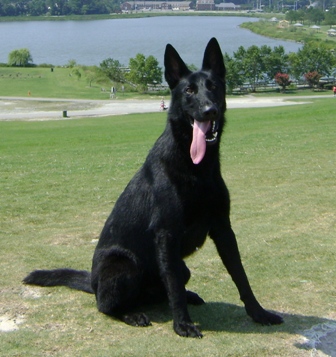
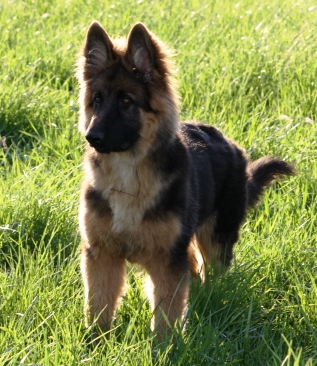
Young dogs
are most often affected, with several
breeds such as the Labrador Retriever,
German Shepherd and the Cavalier King
Charles being seen most often.
Symptoms of gastrointestinal Pythiosis
Canine
gastrointestinal Pythiosis is an
infection of the dog's digestive tract
which causes the intestinal tract to
thicken. Dogs may eventually develop an
intestinal obstruction or large palpable
abdominal mass.
Symptoms
include: vomiting, diarrhea, loss of
appetite, lethargy, weight loss,
occasional fever, abdominal mass, and
enlarged lymph nodes.
The stomach and
duodenum are the most common sights of infection.
Stomach lesions may be accompanied by abdominal pain
and "coffee ground" vomitus due to
ulceration and gastric bleeding. When
the small intestines are affected, chronic diarrhea is more common. With
colonic involvement and ulceration there may be
bloody diarrhea.
Formation of
hard gastrointestinal tumor-like masses
and areas of thickness and mucosal
ulceration are common. The infection may
spread to adjacent tissue such as
pancreas and mesenteric lymph nodes.
Histopathologically, the mucosa shows
ulceration, atrophy, and hyperplasia.
Eosinophils, plasma cells, macrophages,
epithelial cells and giant cells are
detected in infected tissues. The hyphae
of P. Insidiosum, however, are
difficult to detect. Silver stain or
other special stains are required to
visualize the hyphae of this pathogen in
infected tissue.
- Symptoms of
cutaneous Pythiosis
The cutaneous or subcutaneous
form of Pythiosis is acquired through an
open wound which usually allows
infiltration of the infective zoospores.
Lesions are often located on the tail near
the perineal area, legs, thorax, abdomen,
and face.
-
-
Symptoms include swollen, non-healing wounds
with pus-filled nodules and draining sinus
tracts that often enlarge rapidly.
-
- The hard
stony masses (kunkers) seen in horses is not
observed in dogs with the disease, but there
will be areas of tissue death or necrosis
with eosinophils and a moderate number of
neutrophils and macrophages. The hyphae of
P. Insidiosum are found in the center
of eosinophilic micro abscesses.
- Canine
Lagenidiosis
-
-
The clinical presentation of canine
lagenidiosis is nearly identical to that of

the cutaneous form of pythiosis as the tumor
like masses of lagenidiosis are identical in
appearance to those of pythiosis. In
contrast to the clinical course of cutaneous
pythiosis, dogs with lagenidiosis often have
involvement of distant sites.
-
- It causes
lesions in the legs, mammary glands, trunk,
groin or near the tail. The notable
difference in these diseases is that
lagenidiosis disseminates to other organs
much more commonly. Spontaneous
dissemination of disease may involve the
lungs, aorta or vessels, cranial mediastinum,
and lymph nodes. An aneurysm of a great
vessel can rupture and cause sudden death.
Diagnosis
Because P.
insidiosum lesions progress rapidly a quick
diagnosis is essential for animal survival. Most
veterinary practitioners are not aware of the
disease, nor of the blood test, so recognition
is important. The diagnosis of oomycete
infections can be difficult due to clinical and
histological similarity to fungal infections.
Special expertise is
required for diagnosis by biopsies, so diagnosis
is difficult because the organism requires warm
temperatures to thrive. On biopsy you need a
trained eye and special stain to identify the
hyphal structures of the organism, and it can
take considerable time for these special
laboratory procedures.
Abdominal
radiographs in dogs with gastrointestinal
pythiosis may show an intestinal blockage,
intestinal wall thickening or defect, and/or
abdominal mass. An ultrasound image of the dog's
abdomen will tend to show thickening of the wall
of the stomach or intestines. Enlarged lymph
nodes may be evident due to the infection.
A complete blood
count may be normal or have a slightly higher
white blood cell count due to the infection, but
will not show a P. Insidiosum infection.
Only
two labs specialize
in a serological test employing ELISA
(Enzyme-Linked Immunosorbent Assay) technology
to detect antibodies to P. Insidiosum,
Louisiana State University and PavLab.
Contact
PavLab to diagnose Pythiosis and Lagenidiosis
with a blood test at 800-856-9655.
Treatment of Pythiosis
The sooner
you take your dog for treatment the
better the prognosis, as the lesions are
very aggressive and can overwhelm the
dog's system in a matter of months.
Unfortunately, even with treatment, most
cases of pythiosis are fatal.
The most
effective treatment regimens include a
combination of anti-fungals and
immunotherapy and sometimes surgery if
that is possible considering where the
infection is located.
Most vets
will attempt to remove the infected
tissue surgically if it is located in
area that will allow resection with
appropriate margins. Surgical removal is
not always possible and does not always
completely remove all infected tissues,
so anti-fungals are usually recommended
after surgery or without any surgery.
Since P.
Insidiosum is not a true fungus,
anti-fungal drugs alone will not
completely eliminate the infection.
Anti-fungals are also very expensive and
can eventually cause liver toxicity. The
anti-fungals used most often are:
Sporonox, Itraconazole, Terbinafine,
Fluconazole, Amphotericin B,
Ketoconazole..
The newest
treatment now being recommended by many
vets is an immunotherapeutic vaccine
which is USDA approved for treating
Pythiosis in dogs. As soon as your dog
is diagnosed, it should be vaccinated
with the immunotherapy injections to
help the dog's own immune system fight
the infection. This will immediately
reduce the size of the lesions and give
the dog a better chance of survival.
Contact
PavLab
for the USDA approved Immunotherapy treatment at
800-856-9655.
Sometimes
your vet will prescribe a corticosteroid
such as prednisone to reduce swelling
and inflammation. This will immediately
make your dog feel better and will help
to help increase appetite which is
another important aspect in treating
this disease. Nutrition is a very
important part of the treatment regimen
in order to boost the immune system.
Real foods are the best way in which to
do this.
For feeding
directions and a list of foods which
will help boost the dog's immune system
click here.
(I suggest
giving your dog an immune boosting
supplement also. There are a few out
there, but my picky dog will only eat
NuVet Plus®. It is a high quality
product that incorporates a precise
formula of vitamins, minerals, enzymes,
herbs and antioxidants that performs
synergistically to bring together all
the vital ingredients required to
improve your pet’s health and keep them
healthy. NuVet Plus® is made
using only Natural, Human Grade
ingredients that are formulated in a FDA
registered Pharmaceutical Laboratory. We
use a special “paddle dried”, whole
chicken liver that provides vitamin
potency as well as a taste your pet will
love. Call them at 800-474-7044 and give
the code 31666 or
CLICK HERE TO ORDER)
Living and Management
Your
veterinarian will schedule follow up visits to
determine the effectiveness of treatment and manage
care afterwards. Abdominal x-rays and ultrasounds
can also be done to re-evaluate intestinal signs of
disease.
Additional blood tests which include the ELISA tests
for Pythiosis are recommended. A chemical blood
profile should be done as well to monitor liver
toxicity if the dog is on anti-fungals.
Surviving dogs are recommended to receive a yearly
booster vaccine to continue in a successful recovery
from Pythiosis.
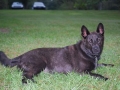
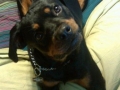
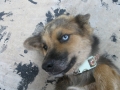
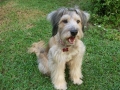
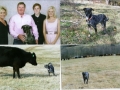
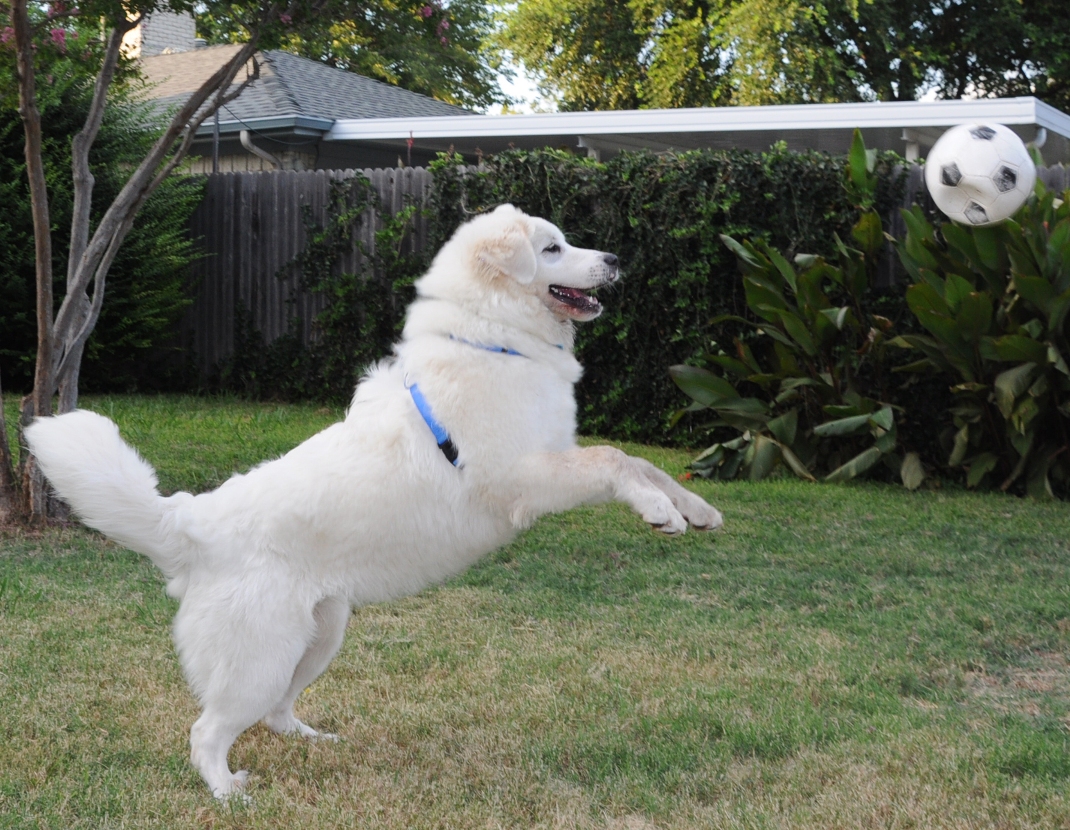
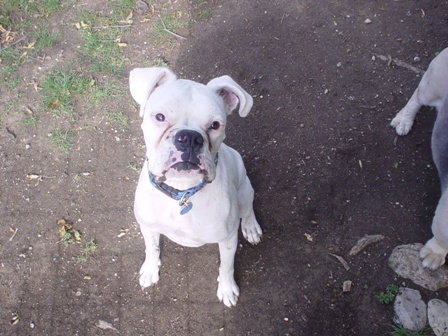
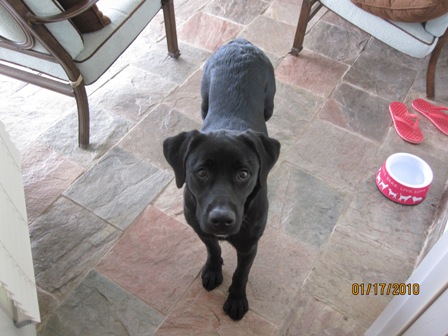
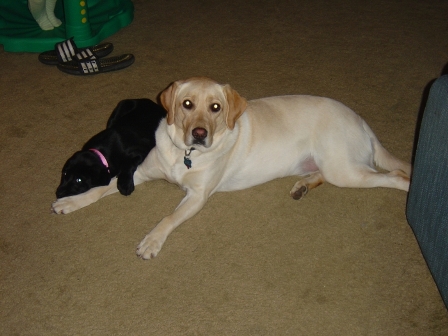
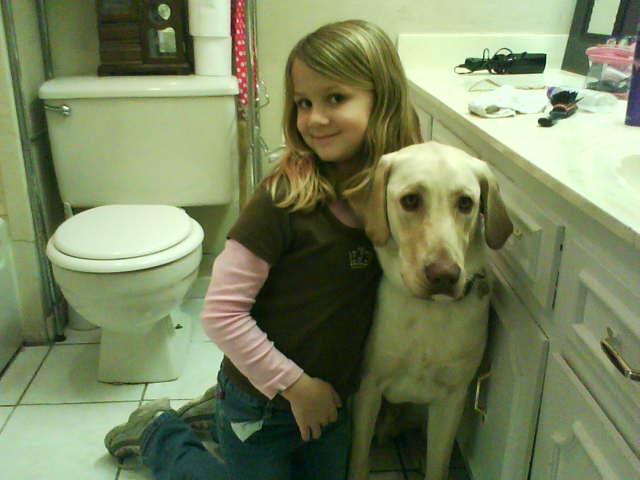
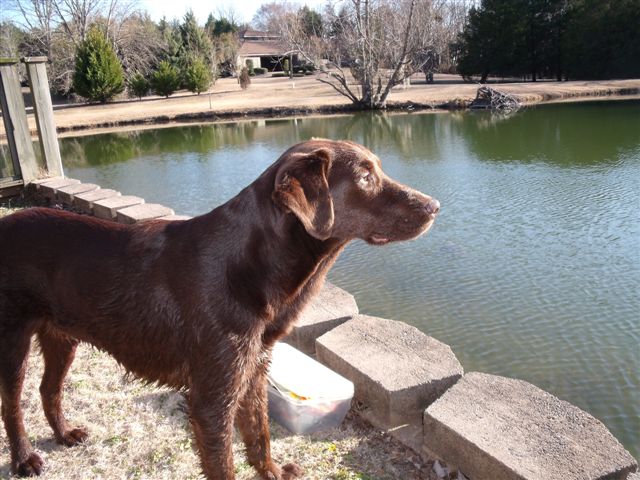
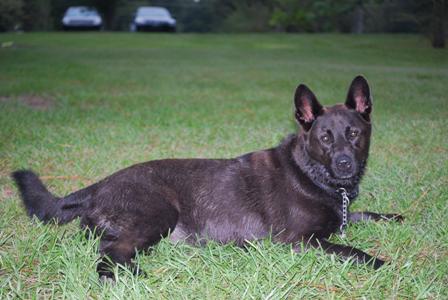
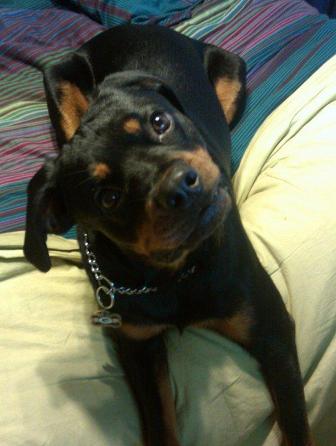
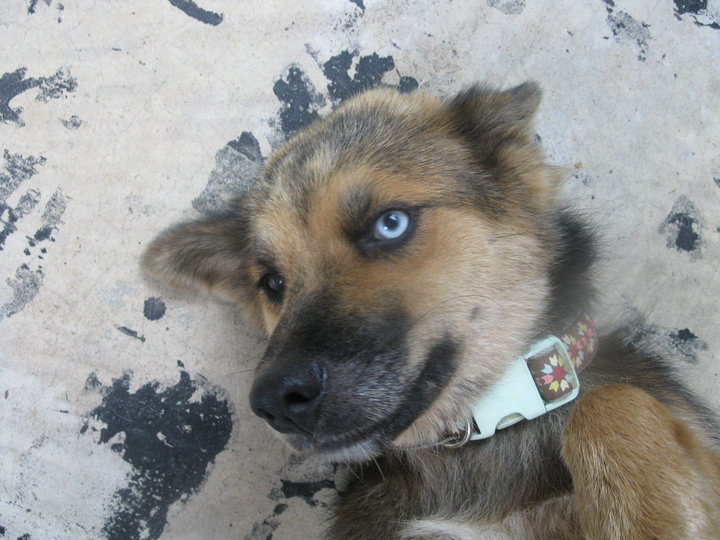
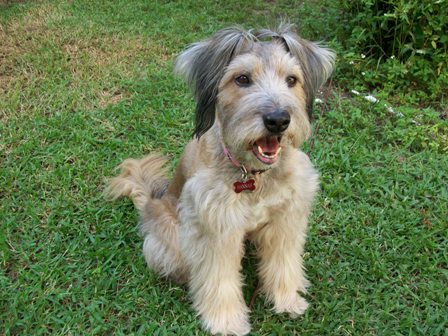
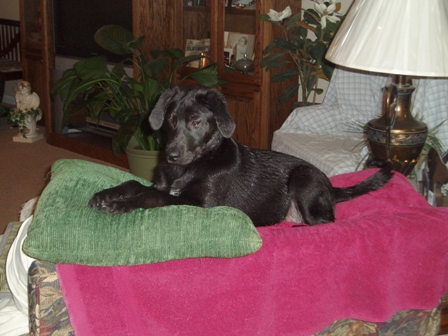
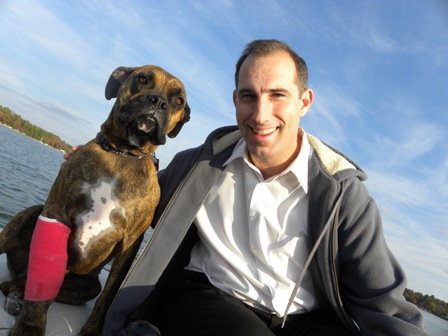
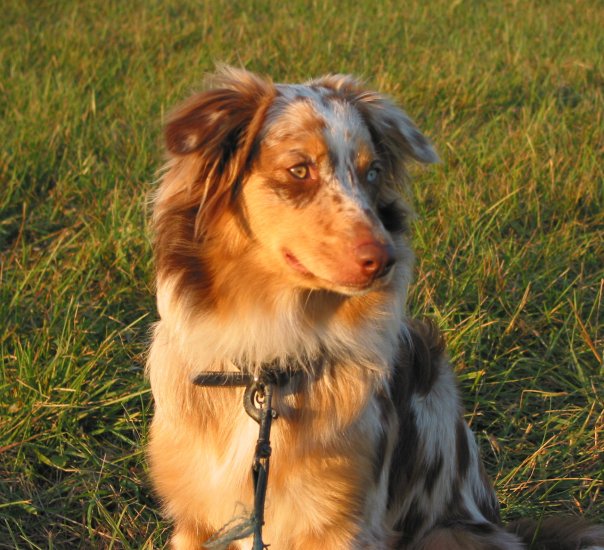
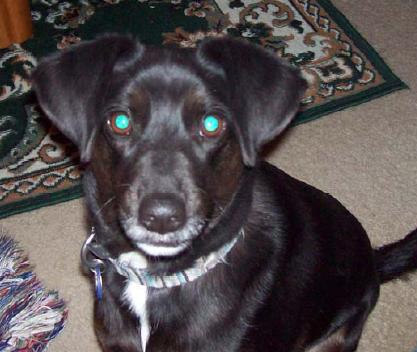
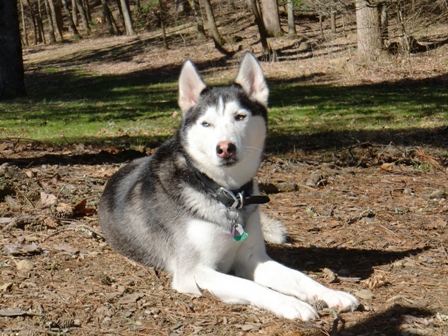
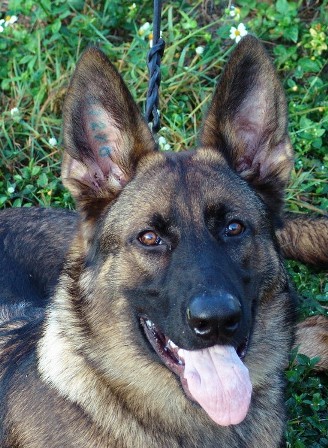
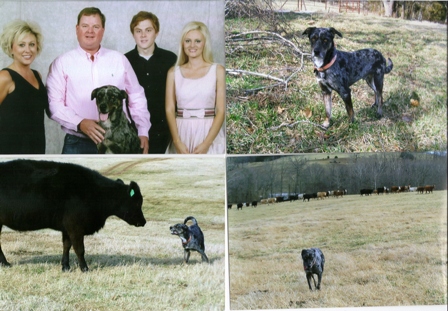
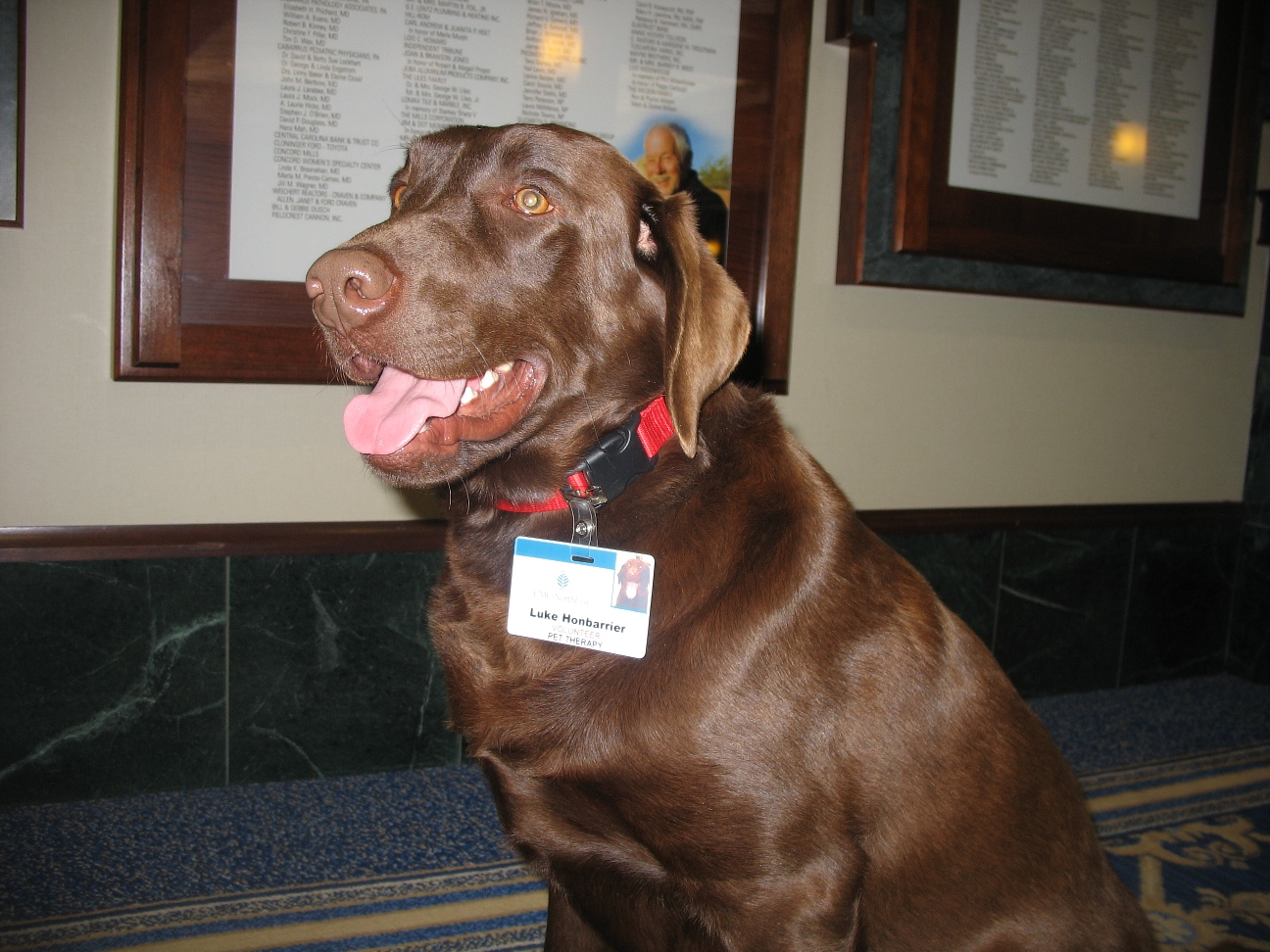
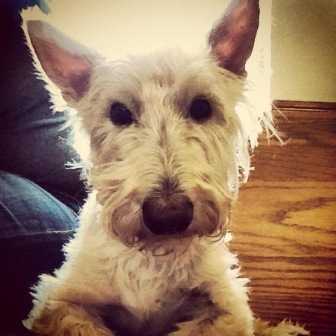
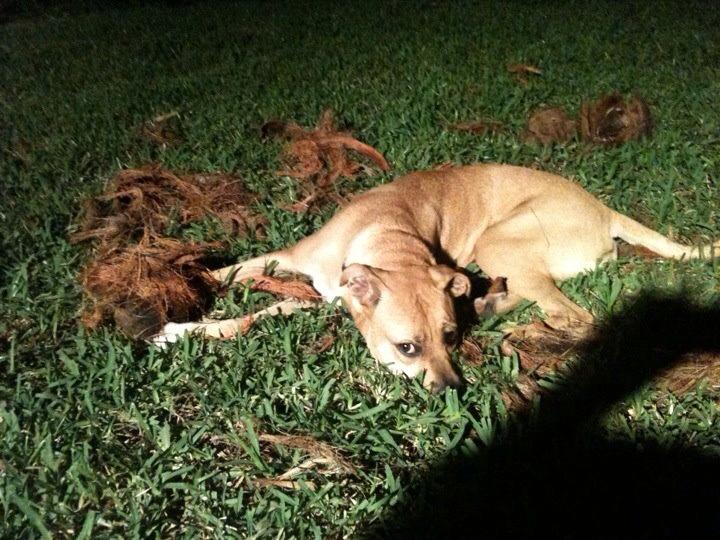
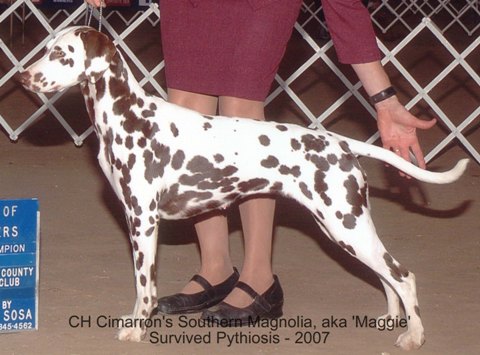
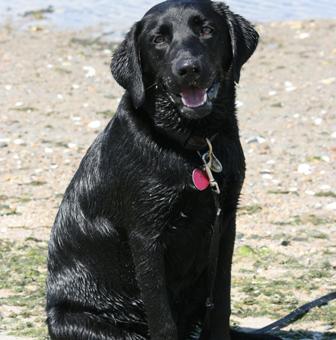
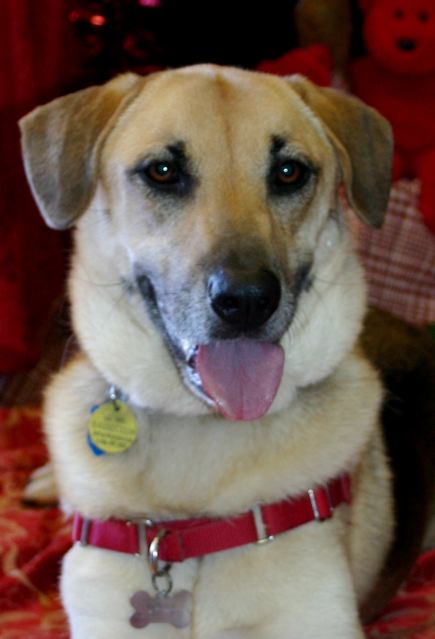
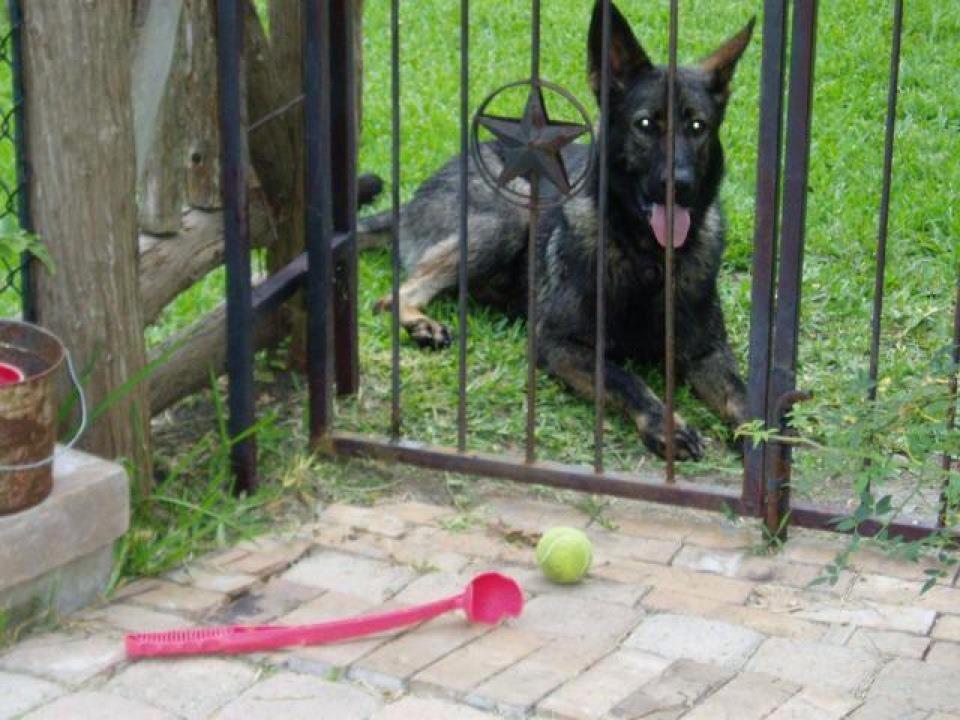
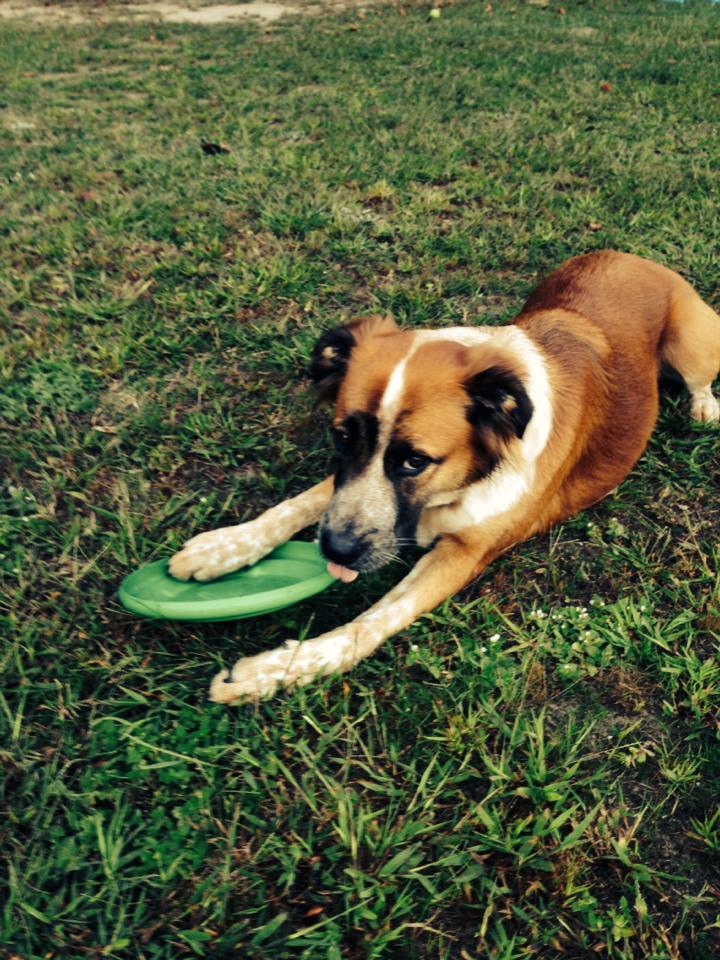
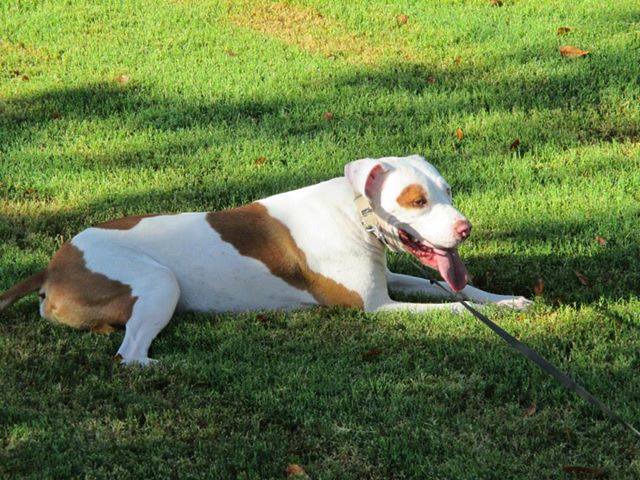
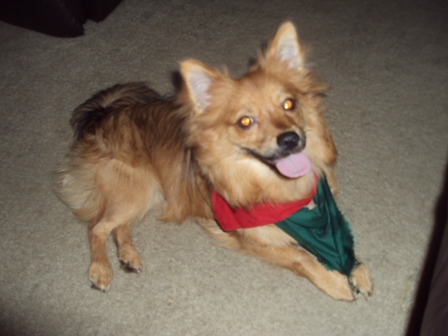
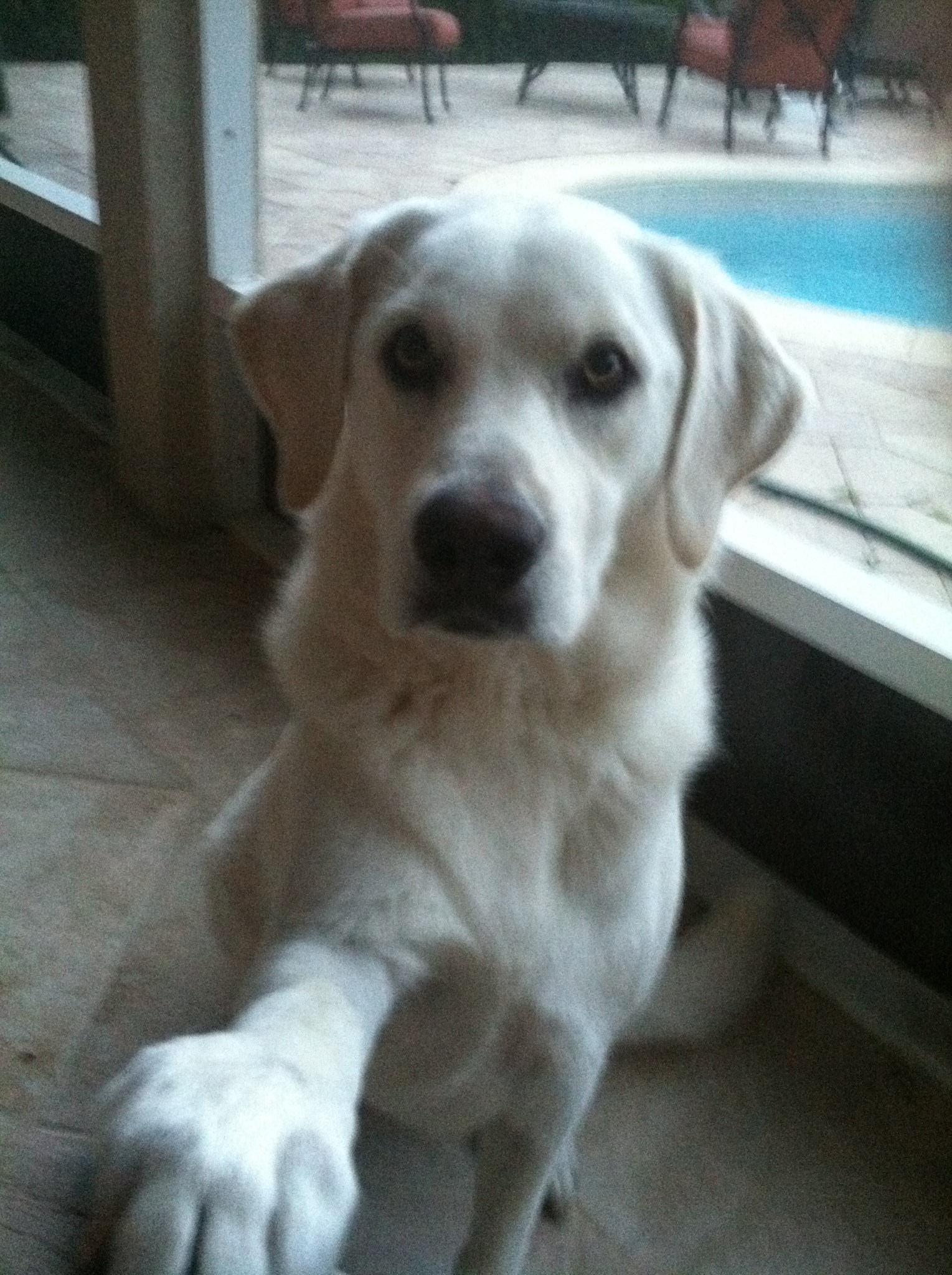
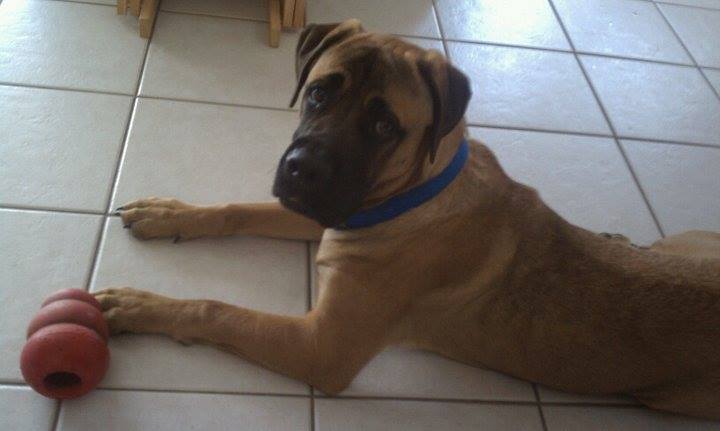
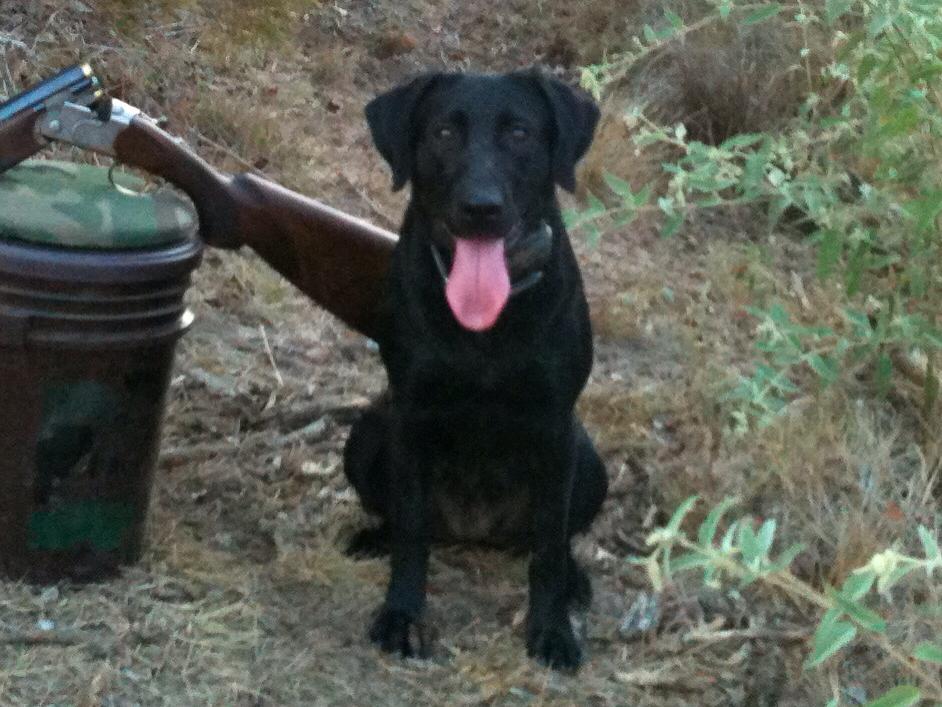
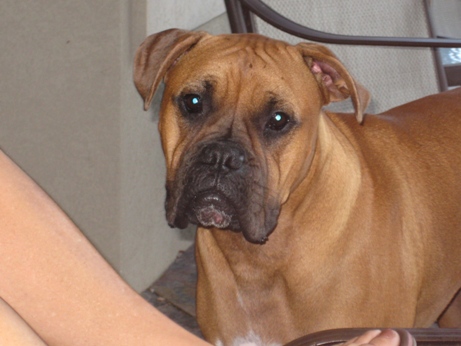
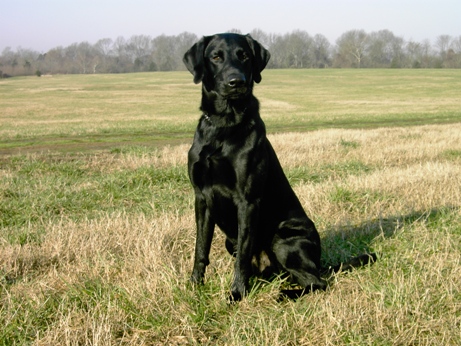
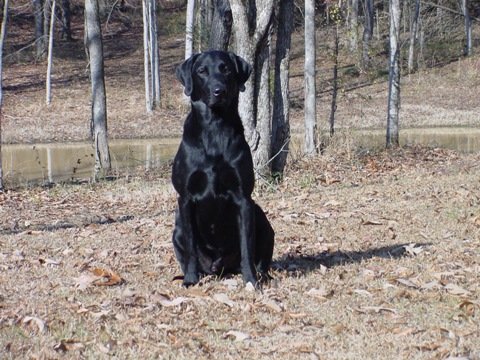
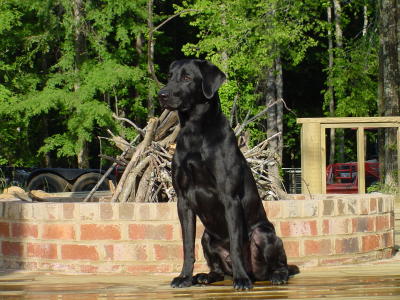
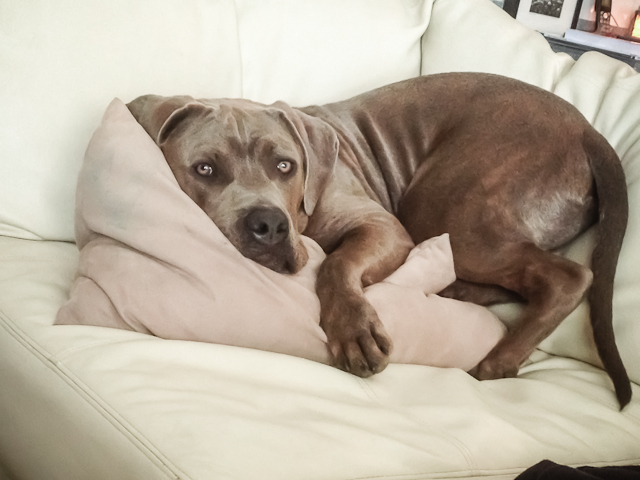
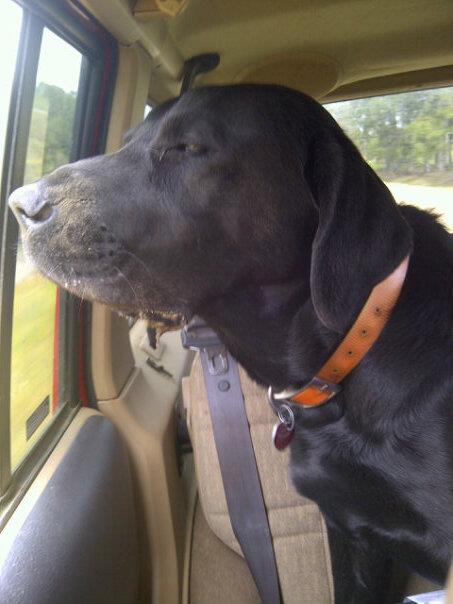
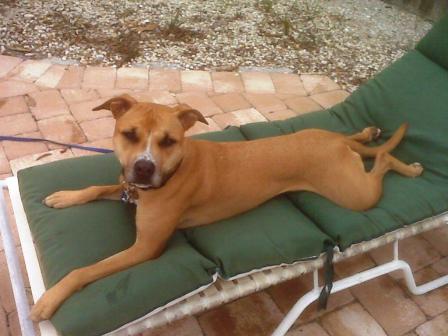
Please view our list of Pythiosis survivors below!
Click here for a
printable document on Pythiosis
|